


Overview
Diabetes is a metabolic condition that affects how the body regulates blood sugar (glucose), its primary source of energy.
When the body cannot produce enough insulin or use it effectively, sugar builds up in the bloodstream over time. If left unmanaged, this can affect the heart, kidneys, nerves, eyes, and overall health.
Type 2 diabetes is the most common form among Indians. While conditions like prediabetes and gestational diabetes can often be reversed, Type 2 diabetes can also be effectively managed, and in many cases, brought into long-term remission through structured care and lifestyle changes.
- Frequent urination, especially at night
- Increased thirst or dry mouth
- Unexplained fatigue or low energy
- Sudden weight changes
- Increased hunger after meals
- Blurred vision
- Slow wound healing
- Tingling or numbness in hands and feet
- Frequent infections or skin issues
- Darkening of skin around the neck or underarms (a sign of insulin resistance)
In Type 2 diabetes, the body’s cells become less responsive to insulin, the hormone that helps move glucose from the blood into cells for energy. As a result, glucose builds up in the bloodstream.
The pancreas tries to compensate by producing more insulin, but over time it cannot keep up, leading to rising blood sugar levels that start damaging various organs.
This develops due to genetic risk and factors like excess abdominal fat, inactivity, poor sleep, stress, and ageing. South Asians are naturally at higher risk due to higher insulin resistance and central fat at lower body weight.
- Family history of diabetes
- Excess abdominal fat or obesity
- Sedentary lifestyle and low muscle mass
- High intake of processed foods and refined carbohydrates
- Poor sleep quality and chronic stress
- Smoking and alcohol consumption
- Hypertension and high cholesterol
- PCOS and hormonal imbalances
- Ageing and reduced metabolic flexibility
Poorly controlled diabetes can silently affect multiple organs and systems over time.
Potential complications include:
- Heart disease and stroke
- Kidney damage (diabetic nephropathy)
- Vision loss and retinal damage
- Nerve damage causing pain or numbness
- Poor circulation and delayed wound healing
- Increased risk of infections
- Fatty liver disease
- Cognitive decline and reduced quality of life
Many complications develop gradually and may remain unnoticed until significant damage has occurred, making continuous monitoring and early intervention essential.
Common patterns noticed among people becoming diabetic include:
- Adults above 35 years of age
- Individuals with a family history of diabetes
- People with abdominal obesity or weight gain around the waist
- Those with high blood pressure or cholesterol
- Women with PCOS or a history of gestational diabetes
- Individuals with sedentary work routines
- People experiencing chronic stress, poor sleep, or burnout
Check-ups alone aren’t enough for diabetes. It needs continuous care every day.
Praan’s Care Approach

Expected Improvement
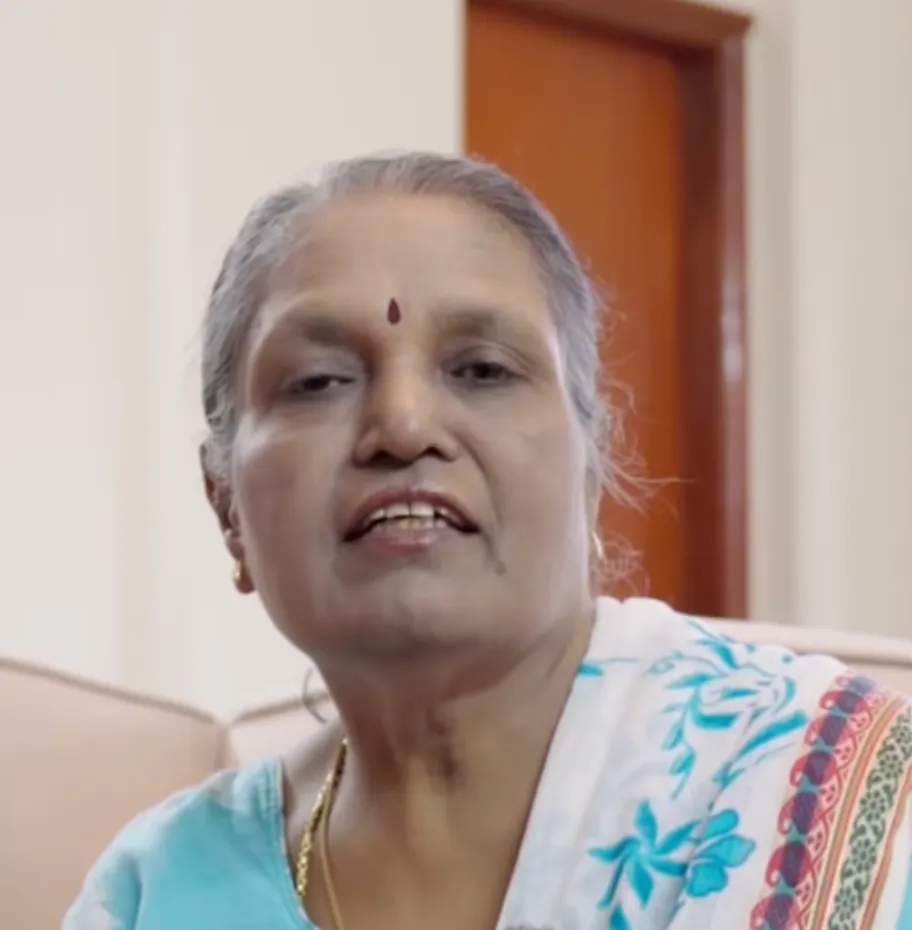
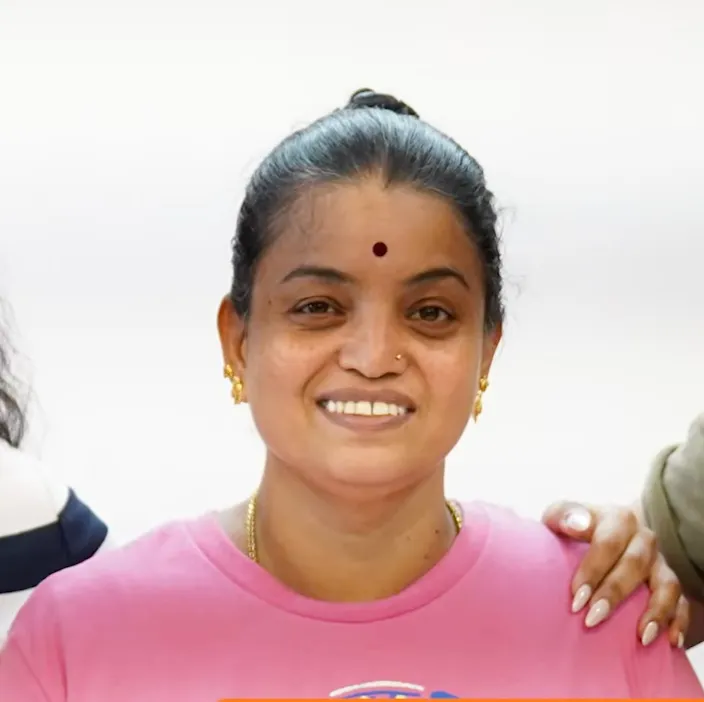
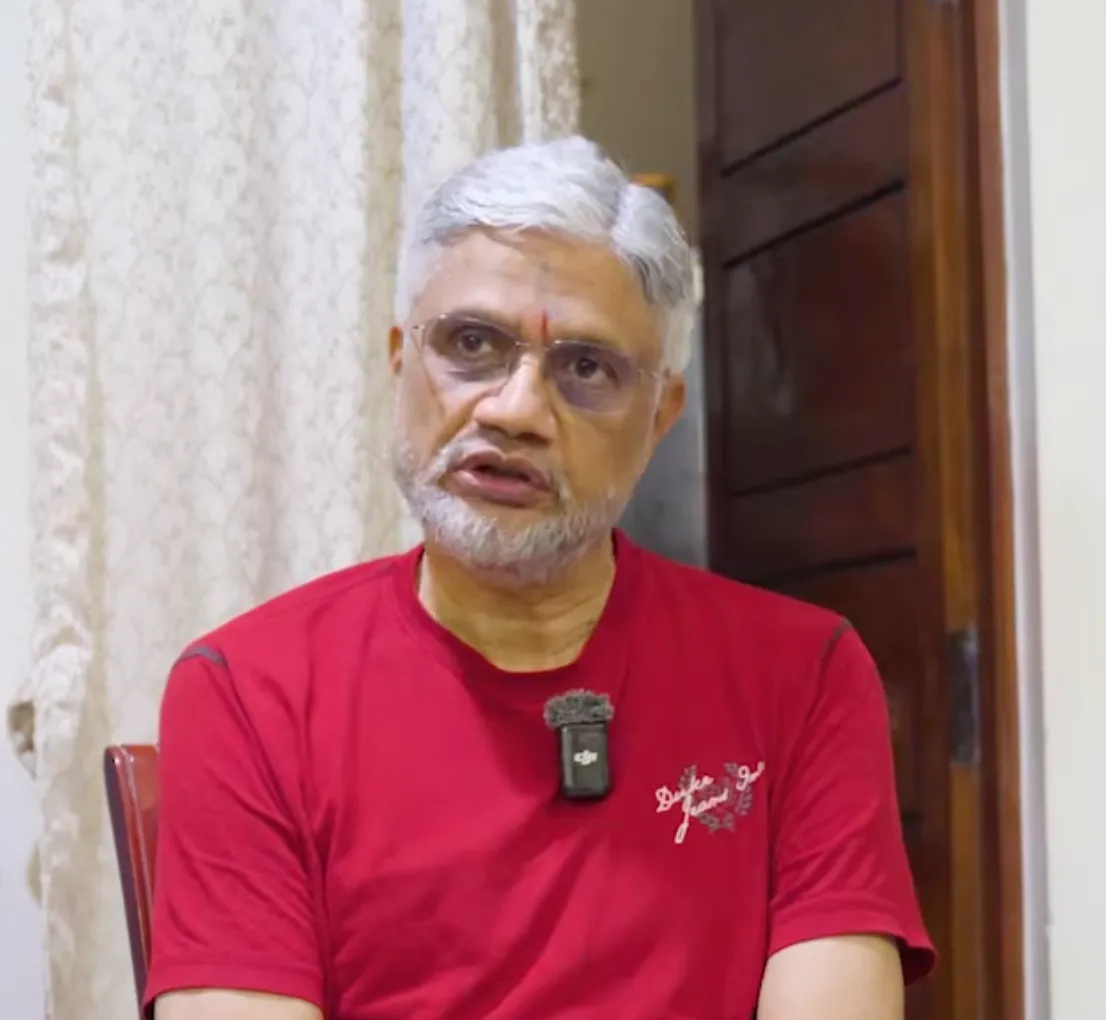
Real Results, Real People
What changes
in 90 days






Start with a conversation.
We'll build the rest.